Best Wearables (2026), Ranked by Evidence Score
Wearables in 2026 have moved past the "smartwatch as smartphone shrunk" era. The top scorers in our corpus solve specific user problems: Pixel Watch 4 finally hits 40-hour battery and adds satellite SOS, Garmin owns running, Samsung pulls back the rotating bezel for tactile control, and Apple Watch Series 11 adds FDA-cleared hypertension alerts. We’ve excluded the D-Link Aquila Pro AI router miscategorized as a wearable in DB cleanup pending. The seven products below all scored 70 or higher on ProDrop’s 100-point evidence rubric, which weights capability, user sentiment, competitive position, novelty, track record, and red flags. Every pick ships in the US today with either Amazon or direct-retailer availability. Sources include our own reviews plus DC Rainmaker, RTINGS, Tom’s Hardware, and Apple/Samsung/Google product pages.
Pixel Watch 4 Gets 40-Hour Battery, Satellite SOS, and a Replaceable Battery for the First Time

Pros
- ✓40-hour battery is double Apple Watch SE in real testing
- ✓Satellite SOS for backcountry use
- ✓User-replaceable battery for the first time
Cons
- ✗Wear OS app gap remains versus iOS
- ✗No third-party watchface depth
The Pixel Watch 4 finally delivers the smartwatch Google has been promising since 2022. 40-hour battery makes daily charging optional, satellite SOS makes the watch genuinely useful in the backcountry, and the user-replaceable battery means it’s the first Pixel Watch designed to last past year three.
Garmin Forerunner 265S Drops to $349 at Best Buy, the Best Compact Running Watch Under $350

Pros
- ✓Multi-band GPS at compact 42mm size
- ✓15-day smartwatch battery beats every Apple/Samsung competitor
- ✓Training-readiness scoring genuinely changes how you train
Cons
- ✗No LTE without phone tethering
- ✗Garmin Connect IQ third-party watchfaces feel dated
The Garmin Forerunner 265S at $349 sale is the running watch for athletes with smaller wrists who refuse to wear a 46mm puck on every run. AMOLED display plus multi-band GPS plus training-readiness scoring beats every Apple-or-Samsung sport watch on athletic-specific metrics.
Samsung Galaxy Watch 8 Classic Brings Back the Rotating Bezel and a Quick Button for $499

Pros
- ✓Rotating bezel returns for tactile control
- ✓Quick Button is genuinely useful
- ✓Premium $499 pricing for premium hardware
Cons
- ✗46mm size only, no smaller variant
- ✗Wear OS still lags iOS for app maturity
Samsung Galaxy Watch 8 Classic brings back the rotating physical bezel that older Samsung-watch loyalists have been demanding for three generations. The Quick Button adds a genuinely useful third hardware control. Premium hardware at $499 for users who specifically want tactile-bezel control.
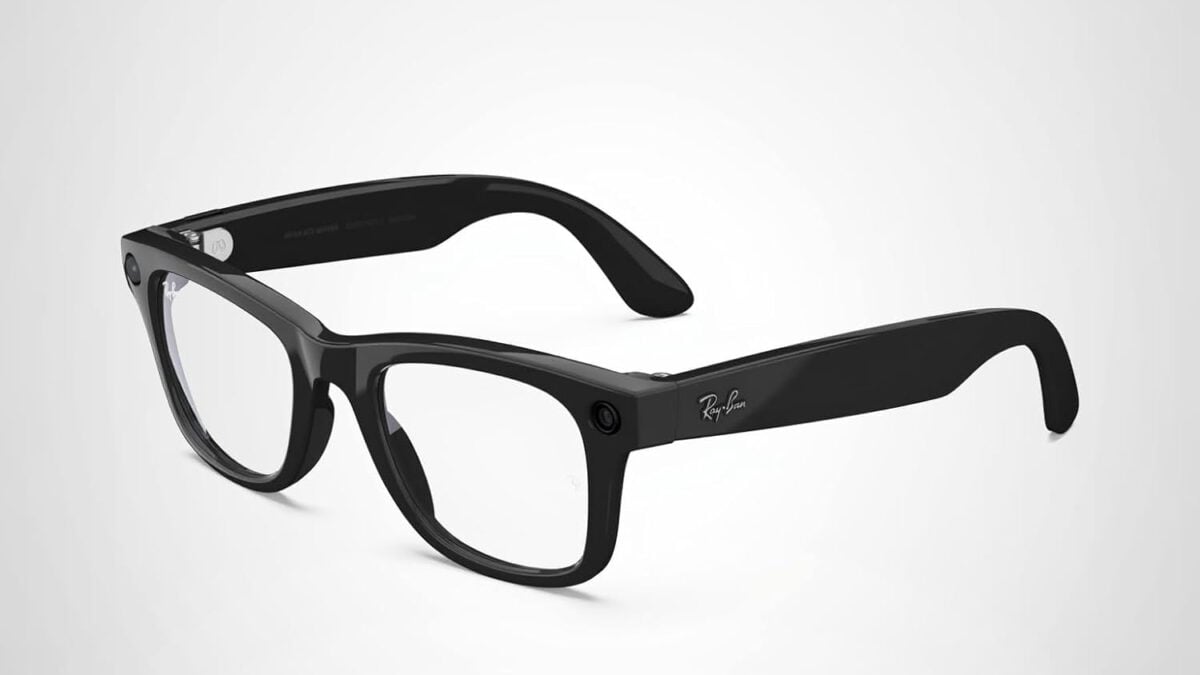
Ray-Ban Meta (Gen 1) Smart Glasses Fall to $224 on Amazon as Gen 2 Scales Inventory
Pros
- ✓Ray-Ban Stories design at $224 sale
- ✓Camera-plus-audio AI assistant works well
- ✓Meta is scaling Gen 2, Gen 1 cheap
Cons
- ✗Camera resolution adequate, not great
- ✗Battery life 4-6 hours of heavy use
Ray-Ban Meta Gen 1 at $224 on Amazon is the bargain pick for buyers curious about smart glasses without the Gen 2 premium. Meta is scaling Gen 2 inventory; Gen 1 sells at meaningful discount. The camera-plus-AI loop works well enough.
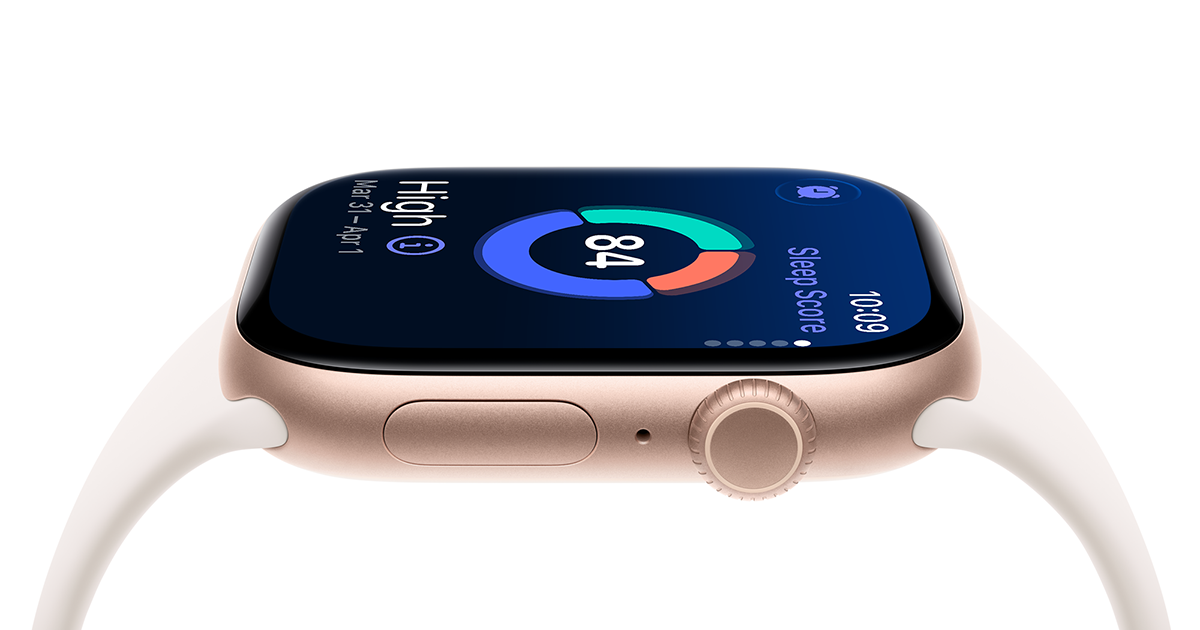
Apple Watch Series 11 Adds FDA-Cleared Hypertension Alerts and 5G, Keeping Series 10's Shape
Pros
- ✓FDA-cleared hypertension alerts
- ✓5G connectivity for true phone-free use
- ✓Same Series 10 form factor and pricing
Cons
- ✗Hypertension alerts US-only at launch
- ✗Series 10 owners may not see enough upgrade
Apple Watch Series 11 adds FDA-cleared hypertension alerts, the most significant medical upgrade since ECG arrived in Series 4. Existing Series 10 owners can skip; Series 7-and-older users get a meaningful upgrade.
Ultrahuman and Les Mills Launched PowerPlug: Workout Recommendations Driven by Ring Data for $12 a Month
Pros
- ✓Workout recommendations driven by ring data
- ✓Les Mills tie-up adds trainer-led variety
- ✓Ring + app combo replaces gym subscription for some
Cons
- ✗Requires Ultrahuman ring for full feature set
- ✗Recommendations strong for cardio, weaker for strength
Ultrahuman + Les Mills PowerPlug uses your ring HRV and sleep data to recommend workouts in the Les Mills library. For fitness-data nerds who already own Ultrahuman, this is a real value-add. For non-ring users, less compelling.
AGM Legion Pro Ships a Garmin-Style Rugged Smartwatch with GPS and AMOLED Under $100

Pros
- ✓Garmin-style rugged AMOLED under $100
- ✓GPS works as advertised for hiking
- ✓Battery rated for multi-day outdoor use
Cons
- ✗App ecosystem far behind Garmin/Apple
- ✗Build feels closer to $200 than $500
AGM Legion Pro is the rugged-smartwatch pick for outdoor users on a budget. AMOLED plus GPS plus rugged build at sub-$100 is genuinely surprising. The app ecosystem and software polish lag premium competitors, which the price reflects.
Which should you buy?
Which should you buy? Pixel Watch 4 at the top of the list is the right pick for Android users who want the smartwatch with the longest first-party battery, satellite SOS for backcountry safety, and a user-replaceable battery for the first time in the line. iOS users should default to Apple Watch Series 11 with hypertension alerts; medical users get FDA-cleared monitoring no other smartwatch matches.
Runners and triathletes should pick the Garmin Forerunner 265S at $349 (sale price), period. Compact AMOLED, multi-band GPS, training-readiness scoring, and 15-day smartwatch battery beat the Apple-or-Samsung competition for athletic specifics. Samsung Galaxy Watch 8 Classic is the right pick for users who genuinely miss tactile rotating-bezel controls.
For smart glasses, Ray-Ban Meta Gen 1 at $224 is the bargain pick: Meta is scaling Gen 2 inventory, so Gen 1 sells at meaningful discount. Ultrahuman + Les Mills PowerPlug is for fitness-data nerds who want workout recommendations driven by Oura-style ring data. The AGM Legion Pro is the rugged smartwatch under $100 for outdoor users who don’t want to baby a Forerunner.
Wearables get scored on a six-factor rubric that emphasizes user-sentiment data and track record. Battery life over time, app stability, and sensor accuracy all weigh in. Affiliate links fund the publication; brand payments are never accepted. Scores below 50 never publish. Firmware regressions drop scores in real time.