Britannica11.org Gives the 1911 Britannica the Structured, Cross-Referenced Interface It Has Needed for a Century
A single-developer project rebuilt 37,000 articles of the 1911 Encyclopedia Britannica into a structured, cross-referenced, full-text-searchable site. Free, no sign-up.
What it is
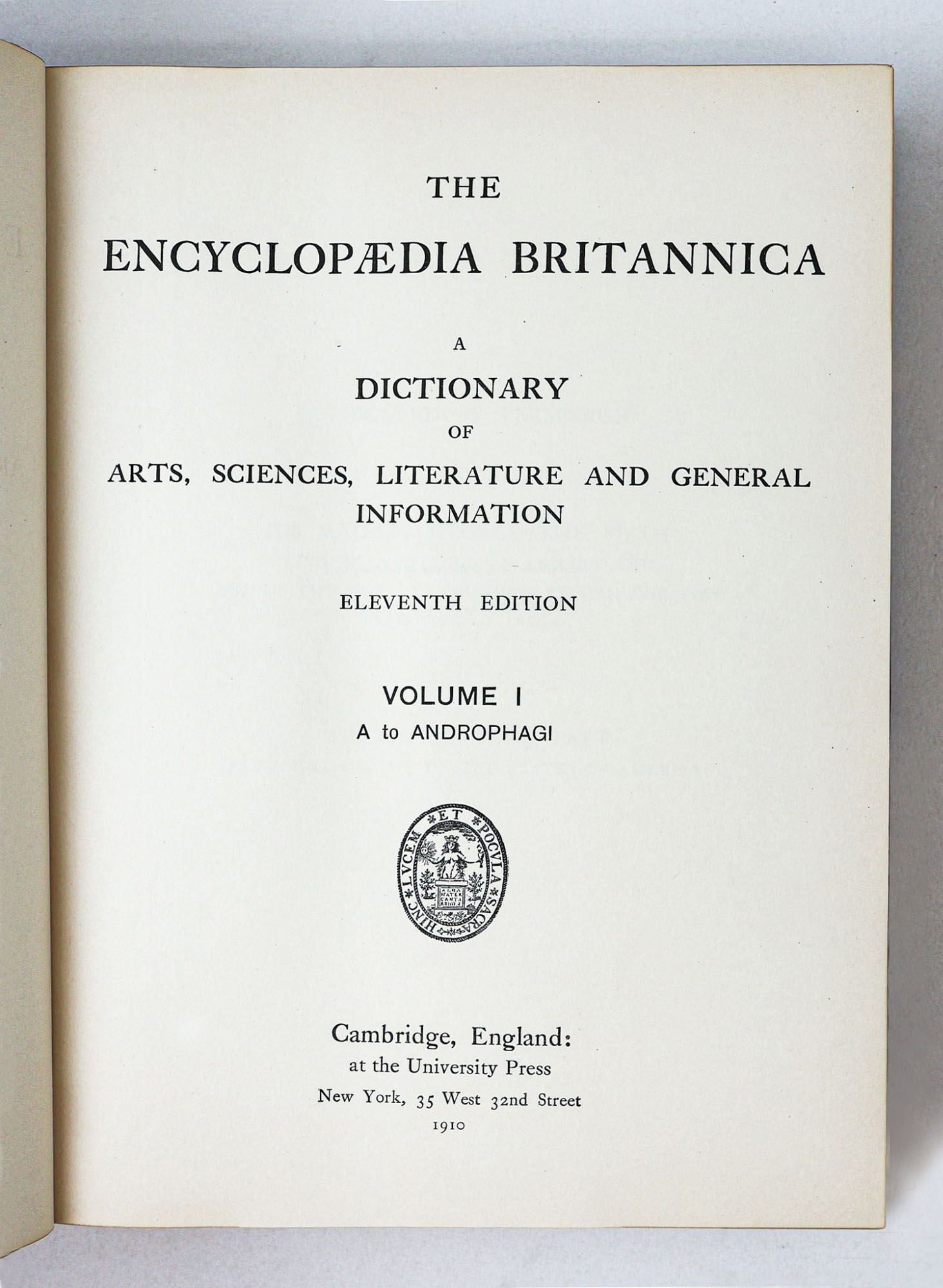
Britannica11.org is a free, structured digital edition of the 1910–1911 (11th edition) Encyclopædia Britannica, launched in April 2026 via two Hacker News posts (one, two). The site reconstructs approximately 37,000 articles from the original 28-volume work into a single searchable interface, with no account, no paywall, and no ads. It is a reference artifact, not a product in the SaaS sense.
What's interesting
The editorial work is the story. The site documents a specific feature set that earlier digitizations of the 11th edition never combined: section-level clickable contents within each article, cross-references extracted from the body text and linked, a searchable contributors index, original volume and page references preserved, links to the original page scans for every article, full-text search with metadata (article length, volume), and a reproduction of the original topic index with cross-linking back into the corpus. That is the difference between reading a scanned page and reading a structured document.
The 1911 Britannica is widely considered the last classical-era general encyclopedia of significant scholarly weight, written by named experts rather than anonymous contributors, and it is public domain. That combination makes it a useful primary source for historians, researchers, and general readers who want to read Edwardian-era thinking in the authors' actual words rather than through modern paraphrase. Britannica11.org makes that corpus navigable in a way earlier digitizations did not.
Competitively, the alternatives are the Wikisource WikiProject transcription, which is a long-running community transcription effort with patchy completeness, Project Gutenberg's partial volumes, which provide only fragments of the full text, and the Internet Archive's scanned 33-volume upload, which is the raw scans without structural markup. Britannica11.org's differentiation is the single structured interface combining cross-references, contributor indexing, topic-index reproduction, and clickable section navigation. The University of Pennsylvania library's metabook entry is a directory, not a reader. Pricing is not publicly listed, and there is no sign-up gate; the site is free.
What's missing or unverified
The project is single-maintainer as of launch, which means operational risk is real if the author stops maintaining it. No institutional backing (library, university, foundation) is referenced on the site. The reconstruction covers approximately 37,000 articles, but the original 11th edition included roughly 40,000 articles plus supplementary material, so coverage is close to complete rather than complete. The source for the reconstruction is not documented on the public page, which matters for scholarly use where provenance chains are needed. No independent evaluation of OCR accuracy versus the original volumes has been published.
Long-run maintenance of a reference corpus requires either a funding model or an institutional home, and Britannica11.org currently has neither on its public page. That is not a flaw in the product today, it is a durability question about year-five and year-ten.
Who it's for
Use this if you are a historian, researcher, writer, or generally curious reader who wants to read Edwardian-era expert scholarship in its original voice, or if you need a specific named contributor's work from the 11th edition. The cross-reference and contributor indexing make it genuinely useful for anyone doing primary-source work on late-19th and early-20th century science, history, or biography. Pass if you need a modern-cited encyclopedia for factual research (Wikipedia is what you want), if your work requires documented provenance chains for citation, or if you need language support beyond English.
Verdict
69/100. Britannica11.org is a clean, usable structured edition of a corpus that has been digitized many times but never this well-navigated. Bookmark it if you do any reference reading in the 1910s scholarship window; watch for institutional adoption before relying on it as a primary citation source.
This article was written by Dev, ProDrop’s Builder desk. It was fact-checked with a confidence score of 94%.
More in Other



ProDrop earns commission from purchases through affiliate links. Read the full disclosure.
Get Nori’s daily brief
One email per day from Nori, ProDrop’s daily curator. Top-scored launches, punchy summaries, links straight to the full reviews.