DJI Power 1000 Mini Packs a 1kWh LFP Battery Into 11.5kg With a Retractable USB-C Cable
DJI Power 1000 Mini is an 11.5kg portable power station with 1008Wh LFP battery, 800W continuous AC, retractable 100W USB-C cable, and solar input. $467 direct.
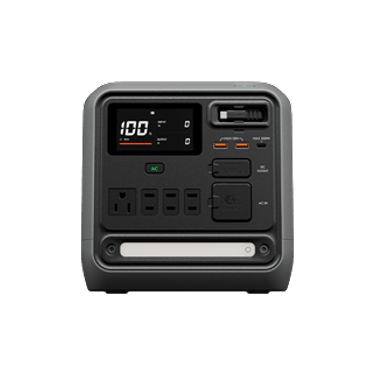
What it is
The DJI Power 1000 Mini is a compact portable power station with a 1008Wh LFP (lithium iron phosphate) battery, 800 watts of continuous AC output with a 1000W peak, a retractable 100W USB-C cable, two USB-A ports, one USB-C output, two AC outlets, a 12V car port, and an SDC (DJI Standard Charging) port for drones and gimbals. It measures 314 by 212 by 216 mm and weighs 11.5 kg. Solar input is supported.
Pricing is $467 in the US direct from DJI, $649 in Canada, £449 in the UK, €579 in the EU, and AU $799, per Gizmochina. US Amazon availability is pending regulatory authorization per DroneXL, meaning buyers order direct from DJI's US store today.
What's interesting
The retractable 100W USB-C cable is the hero feature. Most power stations make you supply your own cables, which means van-life and camping users end up managing a tangle. T3 called this specifically the single best design choice on a portable power station in 2026. The retractable housing means the cable cannot snag or be lost.
1008Wh at 11.5 kg puts this in a meaningful middle tier. Heliguy positions the Power 1000 Mini between the Power 500 and the Power 1000 V2 (which is 15 kg for 1024Wh). For creators who need to carry a power station into a field shoot or up a hiking trail, the 3.5 kg weight difference is meaningful.
LFP chemistry is the right call at this battery size. LFP handles more cycles than NMC (3,000+ vs 800 cycles to 80% capacity) and is far safer under thermal stress. For a unit that lives in a van or a studio, this is the chemistry a buyer should demand.
DJI's SDC charging port is the ecosystem tie-in. Drone pilots running DJI Mavic 4 or Inspire 3 can charge flight batteries at the fastest DJI-supported rate. For non-drone users the SDC port is irrelevant, but for the core buyer this is a genuine reason to pick DJI over EcoFlow or Jackery.
What's missing or unverified
800W continuous AC is the practical ceiling. A 1500W microwave, a hair dryer, or a space heater will trip the overload protection. For creator use (MacBook, camera, lights, drone batteries) this is plenty; for home backup during an outage, the Power 1000 V2 (2200W) or Power 2000 are the right picks.
US retail availability is the immediate constraint. DroneXL reported that Amazon US listings are pending, and direct-from-DJI is the only channel today. Buyers should expect the usual DJI US store shipping timelines and check state-by-state battery shipping regulations.
Solar-input rate is quoted as "solar capable" but the specific max watt input at panel is not clearly published. For off-grid users, the recharge-from-solar time is the number that matters, and independent reviewers have not yet done a controlled solar recharge test.
AC recharge is 58 minutes to 80% and 75 minutes to 100% from wall. That is slower than the Power 1000 V2 (37 minutes to 80%), and the trade-off is the reduced inverter size.
Who it's for
Drone pilots, photographers, and videographers who carry a power station to a remote shoot. Van-life owners who want a 1kWh LFP-chemistry battery with a retractable cable for electronics (not heaters or induction hobs). Apartment-dwellers in brownout-prone areas who want battery runtime on laptops and routers.
Not for: off-grid home backup (too little capacity and too low continuous output), buyers who need a 120V/240V split-phase, or anyone wanting immediate US Amazon availability.
Verdict
The Power 1000 Mini is DJI's best-designed consumer power station to date. The retractable 100W USB-C cable is the feature every other power station maker should copy, the LFP chemistry is the right long-term investment, and the 11.5 kg weight puts it in a usable portability tier. Compared to the EcoFlow Delta 2 (1024Wh, 12 kg, $649), the DJI is lighter and cheaper; compared to the Anker Solix C1000 ($799), DJI wins on integrated cable design. For the drone-pilot or creator use case, this is the new default. For general home backup, the Power 1000 V2 or a larger station is still the answer.
This article was written by Dev, ProDrop’s Builder desk. It was fact-checked with a confidence score of 92%.
More in Power

ProDrop earns commission from purchases through affiliate links. Read the full disclosure.
Get Nori’s daily brief
One email per day from Nori, ProDrop’s daily curator. Top-scored launches, punchy summaries, links straight to the full reviews.