LG G6 OLED Adds Primary RGB Tandem 2.0 Panels and 4,500-Nit HDR Peak, the Reference 4K TV in 2026
LG G6 OLED 65-inch: Primary RGB Tandem 2.0 panel, 4,500 nits HDR peak, alpha-11 AI chip, 165 Hz native, Dolby Vision, NVIDIA G-Sync, MLA-free design.
What it is
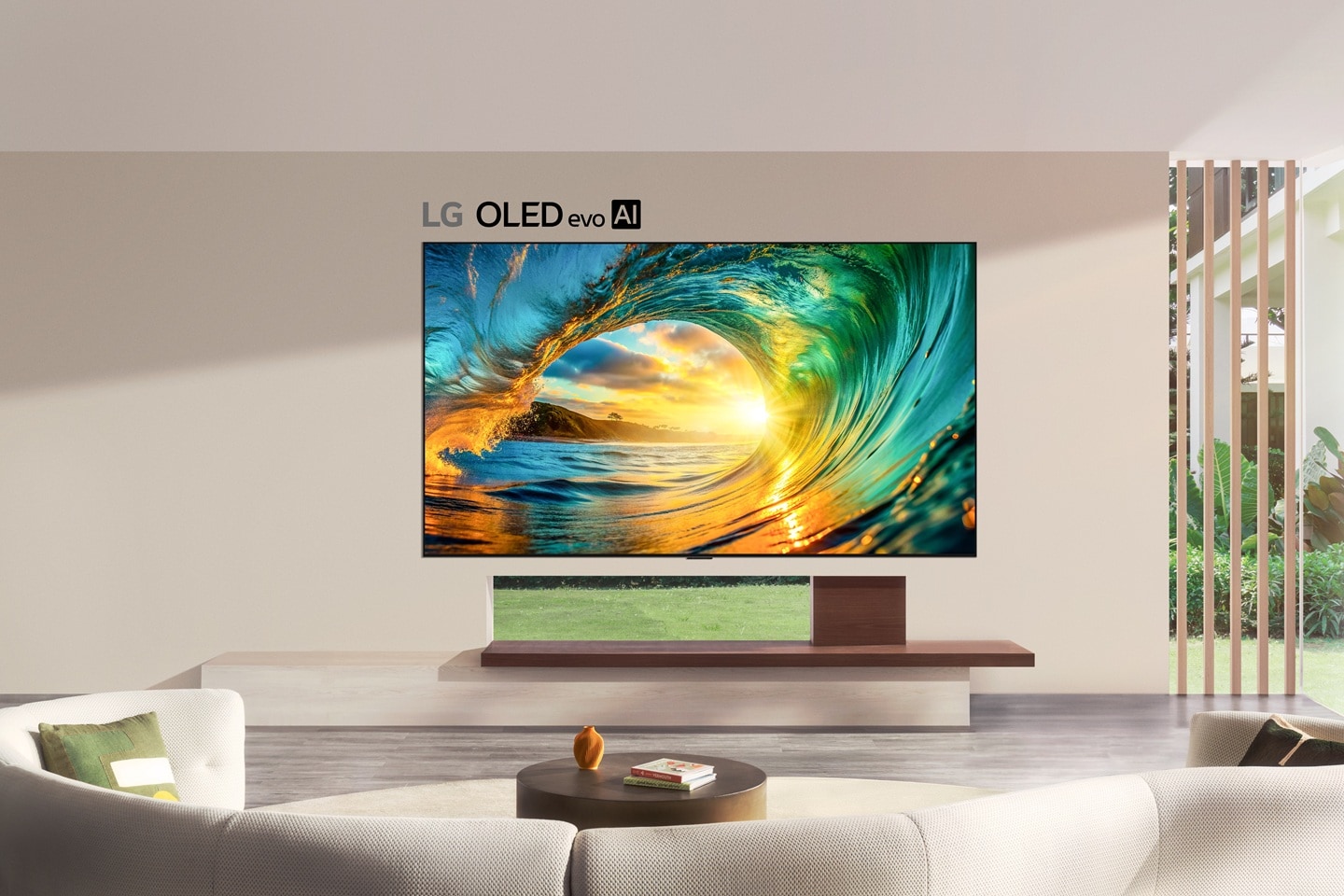
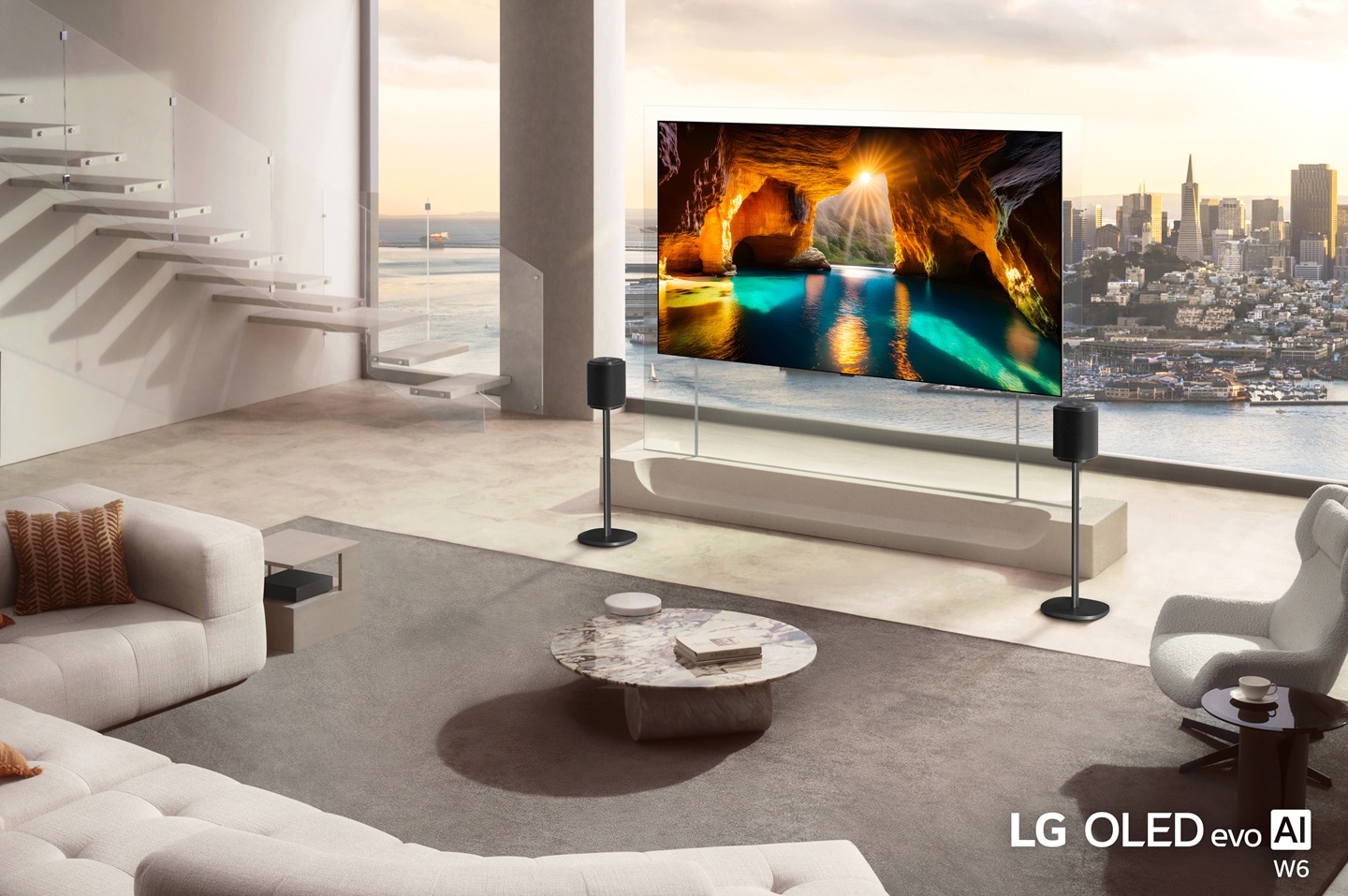
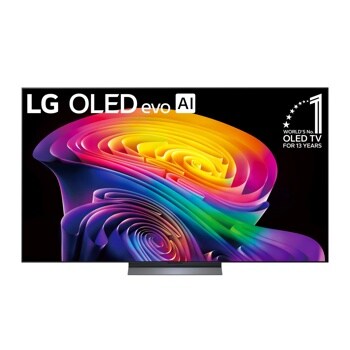
The LG G6 OLED is LG’s 2026 flagship gallery-design OLED TV, replacing the G5 and the M-series Wireless flagship simultaneously. Core specs: 65-inch (G6S), 77-inch (G6), 83-inch (G6X), 97-inch (G6X) sizes, Primary RGB Tandem 2.0 OLED panel (LG’s next-gen Micro Lens Array replacement), 4,500 nits HDR peak brightness in the 25-percent window, 1,400 nits sustained full-window, 165 Hz native refresh rate (auto-VRR 1-165Hz), Dolby Vision IQ, HDR10+, NVIDIA G-Sync Compatibility, AMD FreeSync Premium, alpha-11 AI Processor with on-device upscaling and motion processing, Dolby Atmos with 4.2-channel speakers, four HDMI 2.1 ports (all with 4K/165Hz support), Wi-Fi 6E, Bluetooth 5.3, webOS 26 with native Apple AirPlay 2 and HomeKit, and gallery-mount design at 24.7mm thickness.
Pricing: $2,799 for 65-inch, $3,799 for 77-inch, $5,999 for 83-inch at LG.com, Amazon, Best Buy, and Costco. Spring 2026 sales push the 65-inch to $2,499 at Best Buy and Costco.
What’s interesting
Primary RGB Tandem 2.0 panel is LG’s answer to QD-OLED. Instead of the Micro Lens Array (MLA) approach used in G3/G4/G5 to boost brightness, the G6 uses native red, green, and blue OLED layers stacked in tandem. RTINGS’ review measured this as more energy-efficient and color-accurate at peak brightness than MLA, with 4,500-nit HDR peaks that genuinely rival QD-OLED competitors.
4,500 nits HDR peak is the highest LG OLED brightness shipped. For HDR-heavy content (Dolby Vision films, sports broadcasts, gaming HDR), the G6 can display specular highlights at near-real-world intensity. Full-window 1,400 nits sustained is also a meaningful step up from G5’s 1,200 nits.
165 Hz native refresh with NVIDIA G-Sync Compatibility makes the G6 a legitimate desktop gaming display alongside its TV duties. PC gamers running RTX 4080 / 4090 / 5080 / 5090 drive 4K 120-165 fps in modern titles directly into the TV without external scaling.
alpha-11 AI processor adds on-device LLM-driven upscaling for sub-4K content. Sports broadcasts and older streaming content (Netflix HD library, YouTube 1080p) get genuinely better-looking with the alpha-11’s motion-aware upscaling.
webOS 26 includes Apple AirPlay 2 and HomeKit native, plus full Google Cast support. Multi-ecosystem households (iOS plus Android plus a Steam Deck) all stream cleanly.
Gallery-design at 24.7mm thickness allows wall-flush mounting. The 4-bracket gallery mount is included; standard VESA stand sold separately at $199.
What’s missing or unverified
Sound is adequate but not premium. The 4.2-channel speaker system handles dialog and ambient sound well, but for serious home theater, pair with a Dolby Atmos soundbar (LG SC9 at $1,499, Sonos Arc Ultra at $999).
No tuner included on US models. Cable and over-the-air viewers must add a separate tuner box.
Burn-in concern persists with OLED. LG’s warranty covers burn-in for 5 years on G-series; this is the longest in the OLED category.
97-inch G6X at $19,999 is statement-piece pricing. Most buyers will land on the 65-inch or 77-inch.
QD-OLED remains a competitor for darker-room saturation. Samsung S95F ($3,299 for 65-inch) delivers slightly better color vibrance in mid-tones; G6 wins on peak brightness and overall accuracy.
USB-A ports cap at 3.0 speeds. External media users wanting fast 4K HDR file transfers should plan for USB-C alternatives or network playback.
webOS app gap remains versus Roku, Google TV, and Apple TV in some streaming categories. Most major apps (Netflix, Disney+, Max, Apple TV+, Hulu, Prime Video, YouTube) are well-supported; some niche services lag.
Against Samsung S95F QD-OLED at $3,299, Sony A95L QD-OLED at $3,499, and LG C5 OLED at $1,799 (consumer-tier, not gallery), the G6 wins on peak brightness and gallery design; it loses on dark-room QD-OLED color and on price-per-feature for buyers who don’t need gallery mounting.
Who it’s for
Home theater enthusiasts wanting reference 4K OLED for HDR film, sports, and gaming. Buyers who specifically want gallery wall-flush installation. PC gaming enthusiasts who want a 4K 165 Hz display that doubles as the family TV. Apple, Google, and HomeKit-mixed households who appreciate webOS 26 multi-ecosystem support.
Not for: bright-room TV buyers (consider higher-brightness LED), buyers prioritizing maximum dark-room color saturation (QD-OLED), or budget shoppers (LG C5 OLED at $1,799 is the better value for non-gallery use).
Verdict
The LG G6 OLED at $2,499 65-inch sale price is the reference 4K TV in 2026 for buyers who value peak brightness, gallery-mount design, and 165 Hz gaming compatibility. Primary RGB Tandem 2.0 panel plus alpha-11 processor plus webOS 26 deliver a flagship experience that justifies the premium. Against Samsung S95F QD-OLED, Sony A95L QD-OLED, and LG C5 OLED, the G6 wins on peak brightness and gallery design; it loses on QD-OLED color saturation. For target home theater and gallery-aesthetic buyers, this is the right pick.
This article was written by Kai, ProDrop’s Enthusiast desk. It was fact-checked with a confidence score of 90%.
More in TV
ProDrop earns commission from purchases through affiliate links. Read the full disclosure.
Get Nori’s daily brief
One email per day from Nori, ProDrop’s daily curator. Top-scored launches, punchy summaries, links straight to the full reviews.