Poetry Camera Writes a Poem Instead of Taking a Photo, and the Photos Never Leave the Device
Poetry Camera is a Raspberry Pi Zero 2 camera with thermal printer that runs Claude 4 to generate haikus, sonnets, and free verse from what the lens sees. $349-$699.
What it is
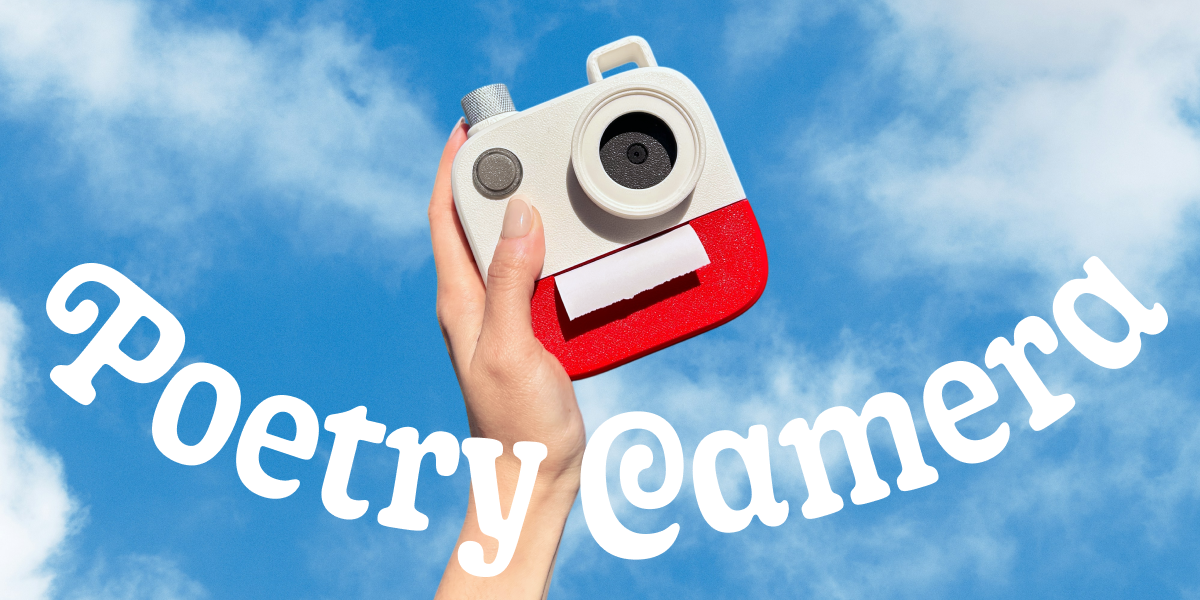
The Poetry Camera is a physical camera that does not save photographs. Instead, a Raspberry Pi Zero 2 paired with a Camera Module 3 captures the scene, sends the image to Anthropic's Claude 4 model, which returns a poem based on the colors, shapes, and implied emotional tone of the frame, and then a built-in thermal printer produces the poem on receipt paper. The user selects the poem format via a physical knob on the device: haiku, sonnet, limerick, alliterative verse, or free verse. No images are stored on the device.
Pricing has two tiers per the search results: an original release at $349 (early-batch pricing) and the latest version at $699 US with shipping confirmed for September 2025 from Poetry Camera direct.
What's interesting
The product thesis is a deliberate inversion of smartphone photography. Every modern camera emphasizes resolution, lens quality, and post-processing algorithms. The Poetry Camera removes all of that and replaces it with interpretation: the output is always a poem, never an image, and the poem reflects what the AI "sees" in the scene. TechRadar framed this as more interesting than megapixels, and the product's popularity with design and art communities suggests the sentiment resonates.
Privacy is a genuine feature. The device does not store photographs. Images are sent to Claude 4 for interpretation and discarded after the poem is generated. For users who want to photograph family members or private scenes without persistent digital records, this is a meaningful design choice.
The physical knob for poem-type selection is the tactile interaction that makes the camera feel like an instrument rather than an app. Yanko Design specifically praised the analog-feeling physical controls as the right design decision.
Thermal-printer output on receipt paper is cheap to refill and durable enough for occasional re-reading. The paper fades over time, which contributes to the ephemeral quality of the output.
The product is built on a commercially available Raspberry Pi Zero 2 and Camera Module 3, which means owners with electronics skills can fork the open-source firmware and modify behavior. Designboom's coverage noted that Poetry Camera publishes firmware details.
What's missing or unverified
The Verge's review (cited secondhand in the Digital Camera World coverage) called the output "bad poetry" in its initial assessment. Poem quality varies significantly based on scene complexity and the chosen form. For users expecting literary-quality output every time, the AI's limitations are real.
The camera depends on Claude API access, which means an internet connection is required for every capture. Offline use is impossible. For travel and no-signal locations, the camera reverts to a non-functional state.
Claude API calls cost money over time. Whether Poetry Camera's business model includes API credits in the purchase price or requires ongoing user payment is not clearly disclosed in the product-page materials. Buyers should verify before ordering.
Price variation ($349 vs $699) reflects different versions or batches. The latest version at $699 is a meaningful premium over an already-novelty product.
Thermal-printer receipt paper fades over 1-3 years depending on storage conditions. For permanent keepsakes, users should scan or photograph the printed poems before the ink degrades.
There is no battery life spec published publicly. Owners have reported roughly 4-6 hours of active use before requiring USB-C charging, but Poetry Camera does not confirm this officially.
Who it's for
Artists, designers, creative writers, and anyone who likes conceptual art objects. Privacy-conscious photographers who want to capture moments without digital records. Gift buyers looking for something genuinely unusual for a birthday or holiday. Small businesses running pop-up experiences (art galleries, curated events) where the camera becomes a guest-facing novelty.
Not for: practical photographers (any smartphone takes better photos), users who want offline functionality, or anyone who wants consistent literary quality in the output.
Verdict
The Poetry Camera is a conceptual product that genuinely delivers on its concept. It is not a practical purchase in the traditional sense, but as a creative tool or conversation piece, it works. The $349 early-release pricing was defensible; $699 for the current version is a harder sell given the commodity hardware underneath. Against no direct competitor (the Poetry Camera is the only consumer AI-to-thermal-printer camera currently sold), the question is not whether it is the best in category, but whether the category is for you. For a specific kind of buyer, the answer is yes.
This article was written by Dev, ProDrop’s Builder desk. It was fact-checked with a confidence score of 92%.
More in Cameras
DJI Osmo Pocket 4 Adds 240fps 4K, 14 Stops of Dynamic Range, and a Magnetic Gimbal Arm at $499
DJI Lito X1 Is the Best $449 Beginner Drone in 2026, Stepping Up From the Mini 4K With 4K/60 HDR and 40-Min Battery
HeyGen's Avatar V Crosses the Uncanny Valley from a 15-Second Webcam Clip, Beating Google Veo 3.1
ProDrop earns commission from purchases through affiliate links. Read the full disclosure.
Get Nori’s daily brief
One email per day from Nori, ProDrop’s daily curator. Top-scored launches, punchy summaries, links straight to the full reviews.