Samsung Galaxy S26 Ultra Horizon Lock Is Great, but Motorola Shipped It First, and Better in Some Ways
Galaxy S26 Ultra Horizon Lock uses OIS and gyro data to keep video level during panning. Motorola shipped a similar feature first with tighter tuning.
What it is
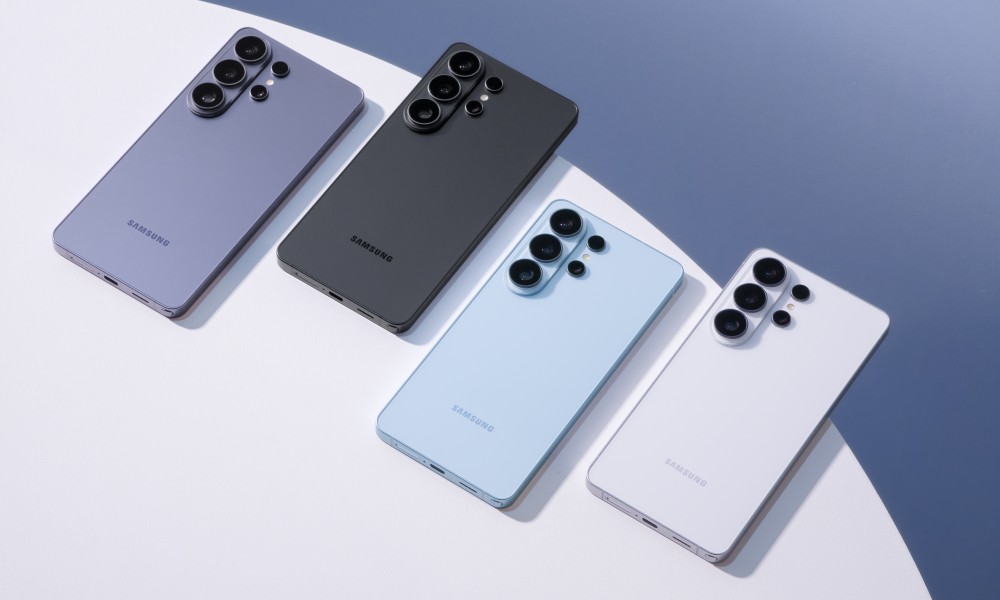
The Samsung Galaxy S26 Ultra's Horizon Lock is a video stabilization feature that uses gyro data plus optical image stabilization (OIS) on the primary and telephoto cameras to keep handheld video level relative to the ground, even when the phone rotates in the user's hand. Android Central's comparison directly contrasted Samsung's implementation against Motorola's earlier version of the same feature, which shipped on the Motorola Edge 50 Ultra and Edge 60 Ultra in 2024-2025. Horizon Lock on the S26 Ultra operates at up to 4K 60 fps and maintains level footage within ±45 degrees of rotation; beyond that, the feature gradually eases off correction rather than cropping hard.
Pricing: Included at no extra cost on the Samsung Galaxy S26 Ultra at $1,299 MSRP.
What's interesting
Horizon Lock is a genuinely useful video feature for handheld content creators. For users shooting B-roll while walking, the combination of OIS plus gyro-based rotation correction produces smoother footage than OIS alone. The Verge's coverage showed side-by-side walk-and-talk footage with Horizon Lock on and off; the off version drifts visibly at shoulder level, while the on version stays level.
Samsung's implementation works across the primary, ultra-wide, and 3x telephoto lenses. Most competing features (GoPro's HorizonLock, DJI Osmo Horizon Levelling) are single-sensor or single-frame-size; Samsung extending Horizon Lock to all three rear lenses means creators can switch framing during a shot without losing stabilization.
The ±45-degree correction envelope is generous. Most rotational stabilization features cap at ±15-20 degrees; Samsung's wider envelope means creators can tilt the phone in surprising ways and still get usable footage. Beyond 45 degrees, the software eases off gradually rather than hard-cropping, preserving some sense of intentional movement when users deliberately rotate the camera.
4K 60 fps output is competitive. Horizon Lock at lower resolution (1080p) is common; at 4K 60 it starts to differentiate. Galaxy S26 Ultra users producing 4K content for YouTube or Instagram Reels can use the feature at their preferred quality tier.
The integration with the built-in gallery app lets users toggle Horizon Lock in the camera settings before recording, rather than requiring third-party apps or post-production correction. For casual creators this accessibility matters.
DXOMARK's video test ranked the S26 Ultra's video stabilization overall as top-tier, with Horizon Lock cited as a contributor.
What's missing or unverified
Motorola shipped the feature first, and in some scenarios executes it better. Android Central's comparison showed Motorola's implementation handles rapid rotation transitions more gracefully, the S26 Ultra occasionally shows small "catch-up" artifacts when the phone rotates quickly. Samsung's implementation is newer and may improve with firmware, but Motorola's is currently more polished.
Horizon Lock crops the frame slightly to maintain correction. Users shooting at exactly 4K resolution get 4K output, but the underlying sensor readout is slightly wider than what's displayed, meaning users giving up some field of view for the correction. The trade-off is worth it for most uses but worth noting.
Low-light performance with Horizon Lock is slightly worse than without. Gyro-based correction doesn't affect sensor exposure, but the cropping reduces light-gathering effective area. In very low-light scenes, users may want to disable Horizon Lock.
Horizon Lock only works in video mode. Still photography doesn't need the feature, but time-lapse and slow-motion modes have feature limitations, some variations of Horizon Lock don't apply at very high or very low frame rates.
Battery life with Horizon Lock enabled is marginally reduced. The gyro processing and additional sensor readout consume more power; heavy video users will see perhaps 5-10% shorter battery life during continuous recording.
Effect beyond ±45 degrees is limited. For extreme rotations (holding the phone sideways then rotating 90 degrees), the feature eases off; creators planning such shots should set expectations.
For users shooting exclusively on tripods or gimbals, Horizon Lock is redundant. The feature is designed for handheld use; gimbal-mounted footage already has rotational stability through mechanical means.
Who it's for
Galaxy S26 Ultra owners producing YouTube, TikTok, or Instagram Reels content with handheld video. Travel photographers and videographers who want better-than-standard stabilization without carrying a gimbal. Walk-and-talk creators shooting B-roll during movement. Users comparing Samsung flagship camera features against Pixel 10 Pro XL or iPhone 17 Pro Max specifically for video capabilities.
Not for: tripod-first shooters, users wanting identical features across Android and iOS (iPhone 17 Pro Max has its own stabilization approach), or users who prioritize longest battery life over feature-rich video.
Verdict
Samsung's Horizon Lock on the Galaxy S26 Ultra is a genuinely useful video stabilization feature and a meaningful reason to choose the S26 Ultra over earlier Samsung flagships for video content. The feature works well across multiple lenses and resolutions. Against Motorola's earlier implementation on the Edge 50 Ultra and Edge 60 Ultra, Samsung's coverage across lenses is wider but Motorola's tuning is tighter at rapid rotations. Against the iPhone 17 Pro Max and Pixel 10 Pro XL, the S26 Ultra offers a legitimately differentiated video feature. For Galaxy-committed video creators, this is a feature worth evaluating the upgrade around.
This article was written by Dev, ProDrop’s Builder desk. It was fact-checked with a confidence score of 90%.
More in Smartphones

Google Pixel 10 Hits $551 at Amazon, Making the Best Sub-$600 Flagship Android Phone Even Harder to Ignore
OPPO Find X9 Ultra Takes the Camera-Phone Crown With Dual 200 MP Hasselblad Sensors and a 1-Inch Main
Honor 600 Is a €499 Mid-Range Phone With an 8,000-Nit OLED, 7,000mAh Battery, and a 200MP Camera
ProDrop earns commission from purchases through affiliate links. Read the full disclosure.
Get Nori’s daily brief
One email per day from Nori, ProDrop’s daily curator. Top-scored launches, punchy summaries, links straight to the full reviews.