Apple's Studio Display XDR Packs 2,304 Mini-LED Zones Into a 5K 27-Inch Mac Monitor at $3,299
Apple Studio Display XDR is a 27-inch 5K mini-LED monitor with 2,304 local dimming zones, 120Hz ProMotion, 140W charging. $3,299 standard, $3,599 nano-texture.

What it is
The Apple Studio Display XDR is Apple's 2026 premium Mac display, positioned below the $4,999 Pro Display XDR and above the $1,599 standard Studio Display. It is a 27-inch 5K (5120 x 2880) panel with a mini-LED backlight array of 2,304 local dimming zones, 47-120Hz ProMotion variable refresh rate, 140W USB-C power delivery for fast-charging a MacBook Pro, and DICOM Reference Modes that Apple has submitted for FDA review for medical-imaging use.
Pricing is $3,299 for standard glass and $3,599 for the nano-texture anti-glare variant.
What's interesting
2,304 local dimming zones is a fourfold increase over the 576 zones on the previous-generation Pro Display XDR, and it eliminates most of the blooming that affected that display around small bright objects. MacRumors confirmed in direct comparison that menu bars and subtitle text no longer show the halo effect that plagued the Pro Display XDR.
ProMotion variable refresh rate at 120Hz brings the Studio Display XDR into parity with the MacBook Pro's built-in display. For scrolling Xcode, Figma, and web content, the visible smoothness gain is significant. PetaPixel specifically called out that this display is the first external option that truly matches the mini-LED MacBook Pro's refresh character.
140W power delivery is the differentiator against Thunderbolt-based third-party displays. A MacBook Pro 16-inch M4 Max draws up to 140W under sustained load, and the Studio Display XDR feeds it via a single Thunderbolt 4 cable. Other premium monitors (LG UltraFine, Dell UltraSharp) cap USB-C delivery at 90W, which throttles MacBook Pro charging during heavy use.
DICOM Reference Modes is the hidden feature for medical professionals. Radiologists reviewing X-rays and MRIs on general-purpose monitors currently need dedicated medical-grade displays at $8,000+. If Apple's FDA review clears, the Studio Display XDR becomes a credible cost-reduction for teleradiology setups.
Nano-texture glass is Apple's etched anti-glare coating. It delivers genuine reflection reduction without the haze most AR coatings introduce. For bright offices or near-window desks, it is worth the $300 upgrade. Mark Ellis confirmed the nano-texture version reads as clean and sharp at direct angles.
What's missing or unverified
Price is the first issue. At $3,299 base, the Studio Display XDR is priced above Apple's own 14-inch MacBook Pro base model. For a display without a computer, the ticket is hard to justify outside of professional use cases.
There is no USB-C hub. Unlike the standard Studio Display (which has four Thunderbolt ports), the XDR has only one Thunderbolt 4 port for display passthrough. This is a surprising omission at this price.
Webcam remains the old 12MP ultra-wide from the 2022 Studio Display, not a new sensor. Macworld criticized Apple for not upgrading this alongside the panel; for pro video-call use, an external camera is still required.
Height adjustment is a $400 upgrade. The default stand is tilt-only; the tilt-and-height-adjustable stand is an additional SKU. VESA mount is also an optional kit.
Refresh rate caps at 120Hz. Gaming-focused creators expecting 240Hz or higher from a premium display will be disappointed, though this is expected from a content-creation tool.
Who it's for
Professional video editors, photo retouchers, and colorists running Final Cut Pro, DaVinci Resolve, or Adobe workflows on a MacBook Pro. Radiology and medical-imaging specialists (once DICOM certification clears). Apple-ecosystem creative pros who want the best possible match for a mini-LED MacBook Pro.
Not for: casual Mac users (the $1,599 standard Studio Display is plenty), gaming-primary users, or cross-platform workflows where USB-C charging and ProMotion benefits matter less.
Verdict
The Studio Display XDR is the display Apple's mini-LED MacBook Pro has always deserved. The 2,304-zone backlight is a genuine technology leap over the Pro Display XDR, and the 140W charging solves the real pain point for M4 Max laptop users. At $3,299 it is expensive relative to Dell U3224KBA and the LG UltraFine 6K, both of which ship roughly similar panel specs at $2,999. What justifies the Apple premium is the ProMotion, the DICOM certification path, and the Apple color-calibration pipeline. For the target buyer (Apple pro creator), this is the default. For everyone else, the standard Studio Display or a Dell alternative is the cheaper answer.
This article was written by Dev, ProDrop’s Builder desk. It was fact-checked with a confidence score of 92%.
More in Gaming
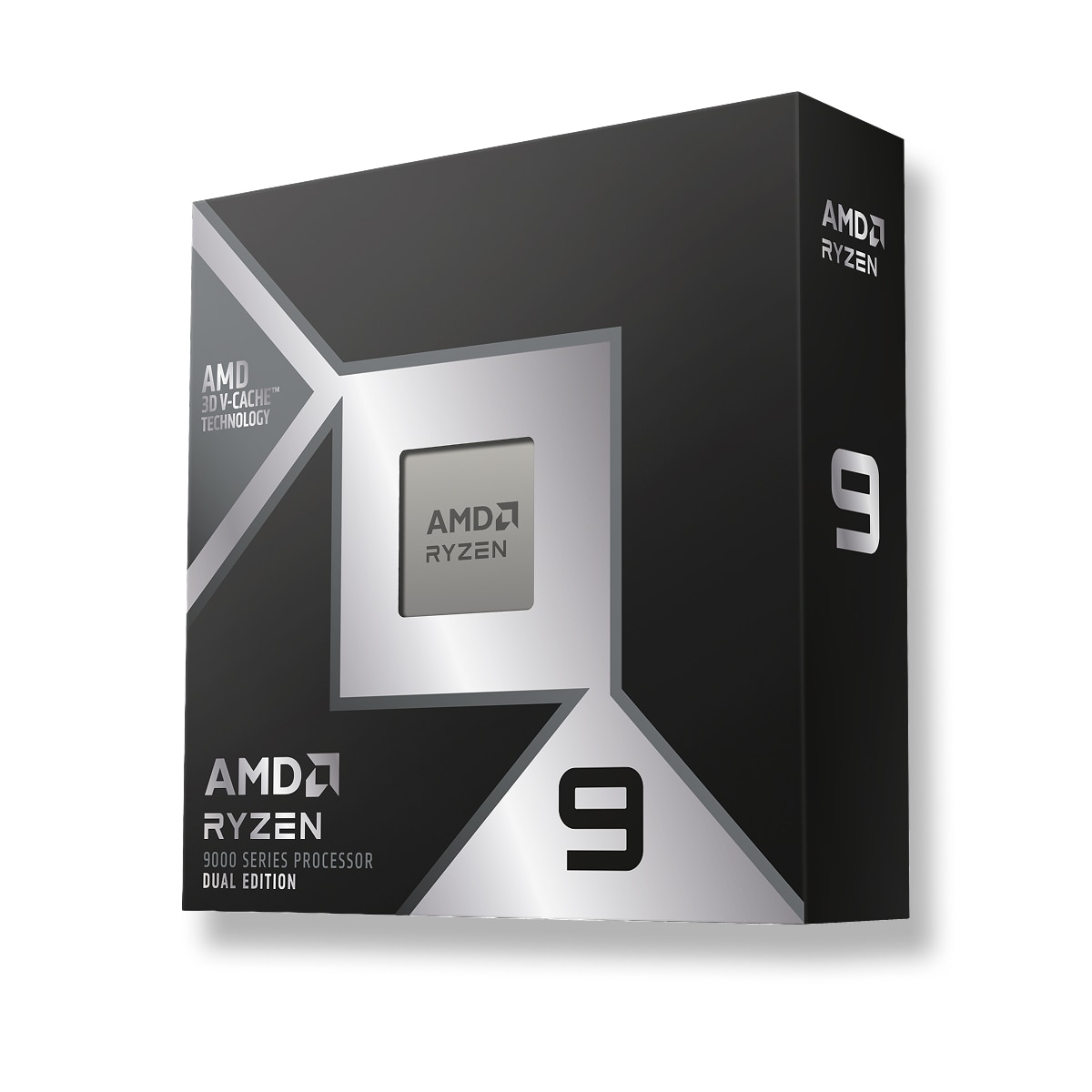
AMD Ryzen 9 9950X3D2 Dual Edition Stacks 3D V-Cache on Both CCDs, Closing the Gaming-Plus-Productivity Gap for $1,199
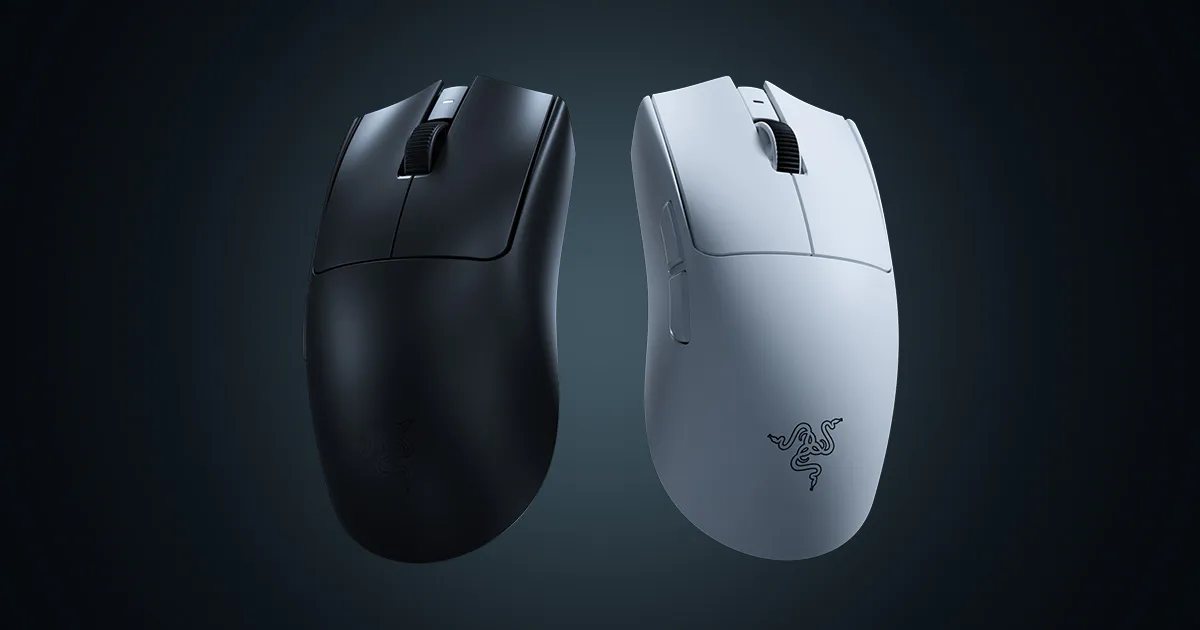
Razer Viper V4 Pro Drops to 54 Grams, Adds 36K DPI Focus Pro 35K Sensor, the New Tournament Standard
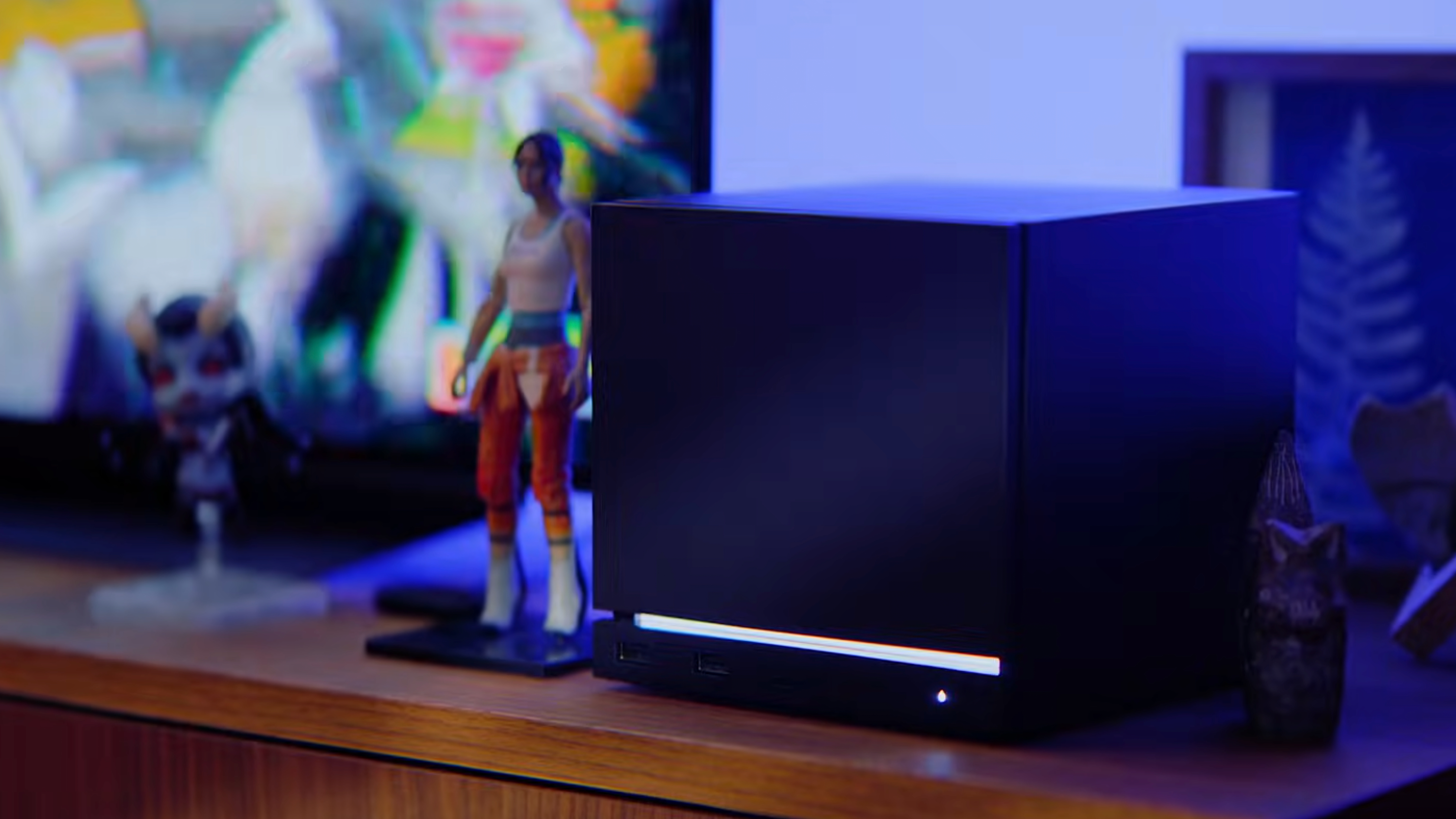
Valve's New Steam Machine Is the Gaming PC Evolution That Actually Makes Sense, Starting at $799
ProDrop earns commission from purchases through affiliate links. Read the full disclosure.
Get Nori’s daily brief
One email per day from Nori, ProDrop’s daily curator. Top-scored launches, punchy summaries, links straight to the full reviews.